Sommer, Sonne, Hitze. ☀️
Was am Wochenende nach Sommerfeeling klingt, wird im Büro schnell zur Belastungsprobe: Sinkende Konzentration, körperlicher Stress und ein Leistungsniveau, das spürbar ins Schwitzen kommt.
In diesem Artikel erfährst du alle wichtigen Regulationen rund um die Raumtemperatur am Arbeitsplatz: Von gesetzlichen Vorgaben über gesundheitliche Auswirkungen bis hin zu smarten Lösungen für einen angenehmeren (und produktiveren) Arbeitstag. Außerdem zeigen wir auf, wie dir unsere bewegungsfördernden Büromöbel dabei helfen selbst heiße Bürotage cool zu meistern.
Recht auf Hitzefrei? Das sagt das Arbeitsrecht zur Temperatur am Arbeitsplatz
So viel vorweg: Ein „Recht auf Hitzefrei bei der Arbeit“ gibt es grundsätzlich nicht. Arbeitgeber haben jedoch eine Fürsorgepflicht. Sie müssen sicherstellen, dass kein gesundheitlicher Schaden durch übermäßige Hitze entsteht.
💡 Das sagt das Gesetz:
Der Dienstberechtigte hat Räume, Vorrichtungen oder Gerätschaften, die er zur Verrichtung der Dienste zu beschaffen hat, so einzurichten und zu unterhalten und Dienstleistungen, die unter seiner Anordnung oder seiner Leitung vorzunehmen sind, so zu regeln, dass der Verpflichtete gegen Gefahr für Leben und Gesundheit soweit geschützt ist, als die Natur der Dienstleistung es gestattet."
- BGB § 618
Die sogenannte Arbeitsstättenverordnung (ArbStättV) legt zusammen mit den technischen Regeln für Arbeitsstätten (ASR A3.5) Richtwerte für die Raumtemperatur im Büro fest. Für Büroarbeitsplätze gelten folgende Empfehlungen:
- 20–22 °C: Komfortbereich bei sitzender Tätigkeit
- Bis 26 °C: Komfortbereich bei sitzender Tätigkeit und hohen Außentemperaturen
- Ab 26 °C: Maßnahmen zur Temperatur Reduzierung notwendig (z. B. Jalousien, Lüftung,...)
- Ab 30 °C: Zwingende Maßnahmen zur Temperatur Reduzierung notwendig (z. B. zusätzliche Pausen, Ventilatoren,...)
- Ab 35 °C: Der Raum gilt ohne zusätzliche Schutzmaßnahmen als ungeeignet
Hitze am Arbeitsplatz: Was passiert im Körper?
Hohe Temperaturen setzen dem Organismus zu. Die Thermoregulation – also die Fähigkeit, die eigene Körperkerntemperatur konstant zu halten – ist bei langem Sitzen und geringer Bewegung besonders gefordert. Die Folgen:
- Erhöhter Puls, um die Haut stärker zu durchbluten
- Erhöhte Schweißproduktion, um zu kühlen – was zu Flüssigkeitsverlust führt
- Konzentrationsschwäche, Kopfschmerzen und Kreislaufprobleme
- Eingeschränkte Sauerstoffversorgung des Gehirns
💡 Übrigens:
Eine Studie der Harvard T.H. Chan School of Public Health zeigt: Bei Hitzewellen sank die kognitive Leistung von jungen Erwachsenen in nicht-klimatisierten Räumen deutlich. Die Reaktionszeit verlängerte sich, die Fehlerquote stieg – ein Effekt, der besonders in geistig fordernden Berufen oder bei sensiblen Aufgaben gravierend sein kann.
Weitere Studien zeigen: Bei Hitze steigt das Konfliktpotenzial, Geduld und Entscheidungsfähigkeit sinken. Die sogenannte „Hitzeglocke“ vernebelt unseren mentalen Fokus – und genau hier hilft körperliche Aktivierung.
Bewegung als Klimaregler: Aktiv gegen den Hitzestress
Gerade wenn’s heiß wird, neigen viele dazu, sich möglichst wenig zu bewegen und sich nicht zu überanstrengen. Klingt logisch, ist tatsächlich aber kontraproduktiv.
Bei hohen Temperaturen ist es zwar ratsam, sich keiner Extrembelastung auszusetzen, dennoch sollte körperliche Aktivität nicht vernachlässigt werden. Sanfte Bewegung bringt den Kreislauf in Schwung, stabilisiert den Stoffwechsel in Gang und sorgt für mehr Energie – trotz Sommerhitze!
Mit unseren bewegungsfördernden Aeris Produkten lassen sich genau solche Mikrobewegungen auf einfache Weise in den Arbeitsalltag integrieren:
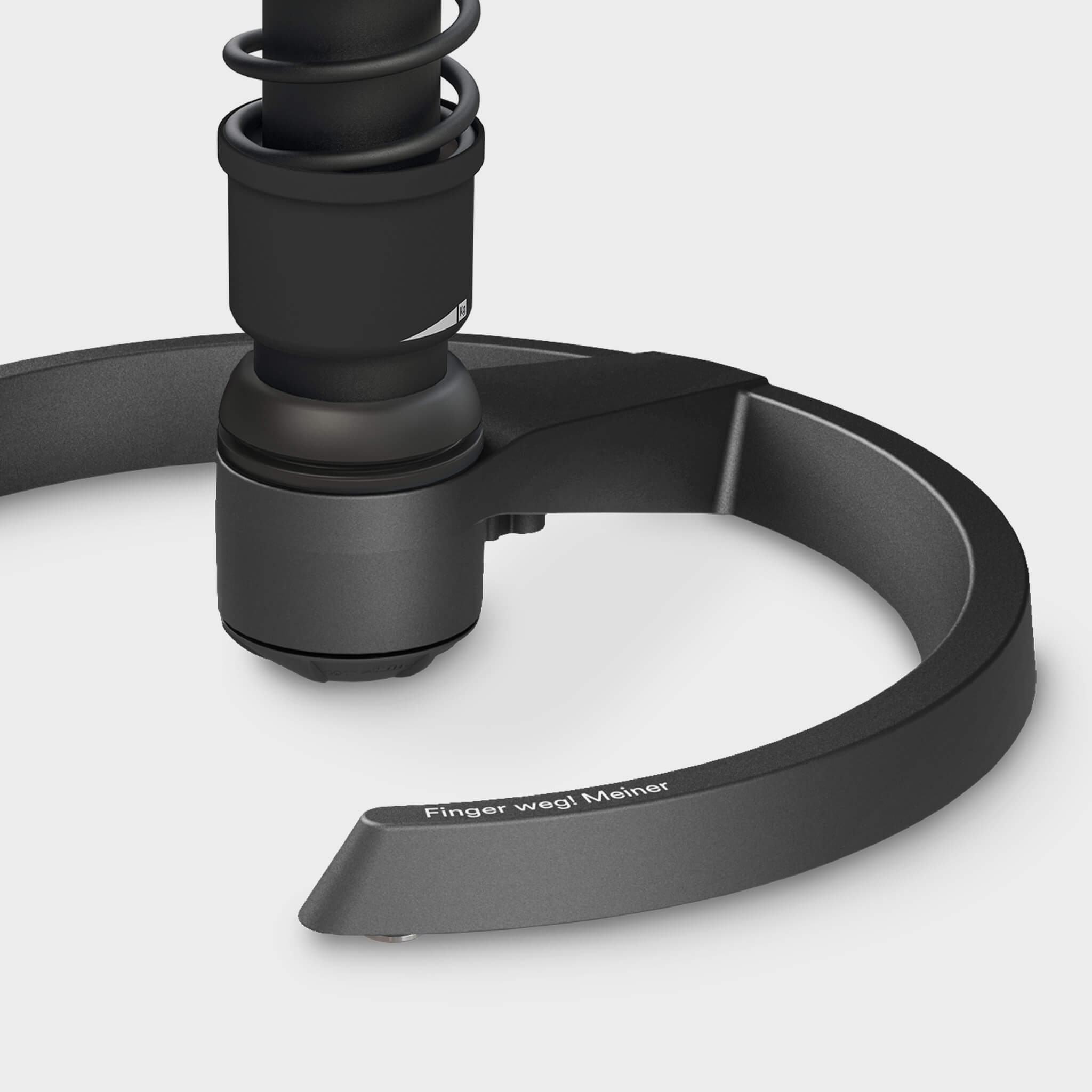
- Der Aeris Swopper bringt durch vertikales Schwingen Mikrobewegung ganz gezielt in deinen Arbeitsalltag.
- Der Aeris Muvman ermöglicht einfache Haltungswechsel zwischen Sitzen und Stehen.
- Die Aeris Muvmat aktiviert deine Fußsohlen und Faszien, wie bei einem Spaziergang auf Waldboden.
- Unsere höhenverstellbaren Aeris Active Desks unterstützen dich, regelmäßig zwischen Sitzen und Stehen zu wechseln.
 Aktive Bewegung hilft dem Körper auch beim Temperaturausgleich. Du schwitzt zwar, aber dein Körper kann sich besser regulieren.
👉🏼 Eine ergonomische Büroausstattung fördert Bewegung, was an heißen Sommertagen zu weniger Hitzestress, einem klareren Kopf und einer besseren Leistungsfähigkeit führt. So fühlst du dich auch an heißen Tagen wacher, fitter und konzentrierter.
Was kannst du bei zu viel Hitze am Arbeitsplatz tun?
Ob Großraumbüro oder Homeoffice – wenn der Sommer kommt, braucht es clevere Strategien, um den Arbeitstag konzentriert und produktiv zu meistern. Diese einfachen Tipps helfen dir dabei, cool durch den Tag zu kommen:
-
Mikrobewegung einbauen:
Kleine Bewegung, großer Effekt. Ergonomische Büromöbel halten dich den ganzen Arbeitstag lang in Bewegung, ohne dass du dich extra dafür anstrengen musst. -
Haltungswechsel:
Ein Stehsitz wie der Aeris Muvman oder ein höhenverstellbaren Schreibtisch wie der Aeris Active Desk sorgen für mühelose Positionswechsel zwischen Sitzen und Stehen. -
Strategisch lüften:
Am besten morgens vor 9 Uhr und abends nach Sonnenuntergang durchlüften. Um schnell frische Luft in deinen Arbeitsraum zu bringen, sorge wenn möglich für Durchzug. -
Räume abdunkeln:
Jalousien, Vorhänge oder reflektierende Folien halten direkte Sonnenstrahlen draußen. -
Atmungsaktive Kleidung:
Luftige Stoffe aus Leinen oder Funktionsmaterialien helfen, die Körpertemperatur zu regulieren. -
Viel Wasser trinken:
2–3 Liter Wasser täglich – ungesüßt, kühl, gerne mit Zitrone oder Minze. Auch wenn es bei heißen Temperaturen verlockend ist: Achte darauf, dass dein Wasser zwar angenehm gekühlt, jedoch nicht eiskalt ist. Das kann Kreislaufprobleme verstärken. Vermeide außerdem gesüßte und alkoholische Getränke, genauso wie zu viel Kaffee und schwarzen Tee. Bei über 30 Grad Raumtemperatur ist der Arbeitgeber verpflichtet, seinen Beschäftigten Trinkwasser im Sinne der Trinkwasserverordnung bereitzustellen. -
Aktive Pausen:
Regelmäßiges Aufstehen, kurzer Spaziergänge oder kleine Dehnübungen zwischendurch halten deinen Kreislauf in Schwung.
💡 Extra-Tipp:
Auch kaltes Wasser über die Handgelenke laufen zu lassen oder sich ein feuchtes Tuch in den Nacken zu legen, hilft schnell und effektiv bei hohen Temperaturen.
FAQ: Die wichtigsten Infos zur Raumtemperatur am Arbeitsplatz zusammengefasst
1. Wie warm darf es im Büro sein?
Laut ASR A3.5: Bis 26 °C gelten als unbedenklich. Ab 30 °C sind Schutzmaßnahmen Pflicht. Ab 35 °C ist der Arbeitsplatz ohne Schutzmaßnahmen ungeeignet.
2. Was tun bei über 30 Grad im Büro?
Wenn es dir im Büroraum zu heiß vorkommt, messe die Temperatur: Wenn du im Sitzen arbeitest, wird die Lufttemperatur in etwa 60 cm Höhe über dem Boden gemessen – bei Steharbeit entsprechend auf rund 1,10 m. Und das Ganze mit einem speziellen Thermometer, das vor Wärmestrahlung geschützt ist. Beträgt die Temperatur im Innenraum über 26 Grad, wende dich an deinen Vorgsetzten und bestehe auf Lüftung, Abschattung, eine angepasste Pausenregelung und Ventilatoren am Arbeitsplatz.
3. Gibt es ein Recht auf Hitzefrei bei der Arbeit?
Ein direktes Recht auf Hitzefrei gibt es nicht. Arbeitgeber sind jedoch verpflichtet, durch technische oder organisatorische Maßnahmen gesundheitliche Schäden zu vermeiden. Spätestens ab einer Außen- und Raumtemperatur von 26 Grad sollen nach ASR A3.5 zusätzliche Maßnahmen ergriffen werden.
4. Welche Raumtemperatur ist ideal?
Bei einer sitzenden Tätigkeit wie im Büro wird eine Raumtemperatur zwischen 20 und 22 °C als ideal empfunden. Studien zeigen hierbei tatsächlich, dass Frauen um die 24 °C, Männer eher 21–22 °C als angenehm empfinden.
5. Was ist die Mindesttemperatur im Büro?
Im Büro muss die Temperatur laut ASR A3.5 mindestens 20 °C betragen, wenn es sich um leichte, überwiegend sitzende Tätigkeiten handelt. Bei schwereren körperlichen Tätigkeiten gelten höhere Mindesttemperaturen. Diese Richtwerte dienen dem Gesundheitsschutz und sind verpflichtend einzuhalten.
6. Welche Temperatur-Regelungen gelten im Homeoffice?
Grundsätzlich sind Mitarbeiter im Homeoffice selbst dafür verantwortlich, an ihrem Arbeitsplatz für eine angemessene Temperatur zu sorgen. Dennoch hat der Arbeitgeber hier insofern eine Fürsorgepflicht, als dass Mitarbeitende bei Missständen berichten und Lösungen einfordern sollen – beispielsweise durch mobile Ventilatoren oder eine ergonomische Büroausstattung.
Die richtige Raumtemperatur ist ein Gesundheitsfaktor
Ob im Großraumbüro oder im Homeoffice: Fakt ist, Hitze darf kein Dauerzustand sein. Wer darauf achtet, in Bewegung zu bleiben und auf ergonomische Unterstützung am Arbeitsplatz setzt, bleibt auch an heißen Tagen produktiv, leistungsfähig und gesund.
Mit Aeris bringst du nicht nur Bewegung, sondern auch mehr Wohlbefinden und Balance in deinen Arbeitstag – ganz egal, wie hoch das Thermometer im Sommer klettert. ☀️