Warum Bewegung im Alltag so wichtig ist
Unser moderner Alltag ist von langem Sitzen und wenig Bewegung geprägt. Ob im Büro, im Home-Office oder in der Freizeit – viele Menschen verbringen den Großteil ihres Tages in einer statischen Haltung. Dabei kann Bewegungsmangel nicht nur zu Rückenschmerzen, Verspannungen und Haltungsschäden führen, sondern auch das allgemeine Wohlbefinden und die Produktivität negativ beeinflussen.
Doch die gute Nachricht ist: Bereits kleine Veränderungen können eine große Wirkung haben! In diesem Artikel zeigen wir, wie du mit einfachen Maßnahmen mehr Bewegung in deinen Alltag – insbesondere am Arbeitsplatz – integrieren kannst.
Wie Bewegung deinen Körper und Geist stärkt
Regelmäßige Bewegung ist essenziell für unsere Gesundheit und unser Wohlbefinden. Die Bundeszentrale für gesundheitliche Aufklärung hebt fünf zentrale Gründe hervor, warum es wichtig ist, sich im Alltag fit zu halten:
- Längeres Leben: Bereits moderate Aktivitäten wie Spaziergänge oder das Nutzen der Treppe können die Lebenserwartung erhöhen.
- Reduziertes Risiko für Herz-Kreislauf-Erkrankungen: Schon acht Minuten Sport am Tag können das Risiko solcher Erkrankungen um bis zu 20 Prozent senken.
- Vorbeugung von Übergewicht: Regelmäßige Bewegung in Kombination mit ausgewogener Ernährung hilft, ein gesundes Körpergewicht zu halten.
- Vermindertes Risiko für chronische Krankheiten: Ein aktiver Lebensstil senkt die Wahrscheinlichkeit, an Diabetes, bestimmten Krebsarten oder Osteoporose zu erkranken.
- Stärkung der psychischen Gesundheit: Bewegung verbessert die Stimmung und fördert eine positive Einstellung zum eigenen Körper.
Diese Erkenntnisse unterstreichen die Bedeutung von Bewegung für unsere Gesundheit. Es ist daher entscheidend, körperliche Aktivität bewusst in den Alltag zu integrieren, um langfristig von diesen Vorteilen zu profitieren.
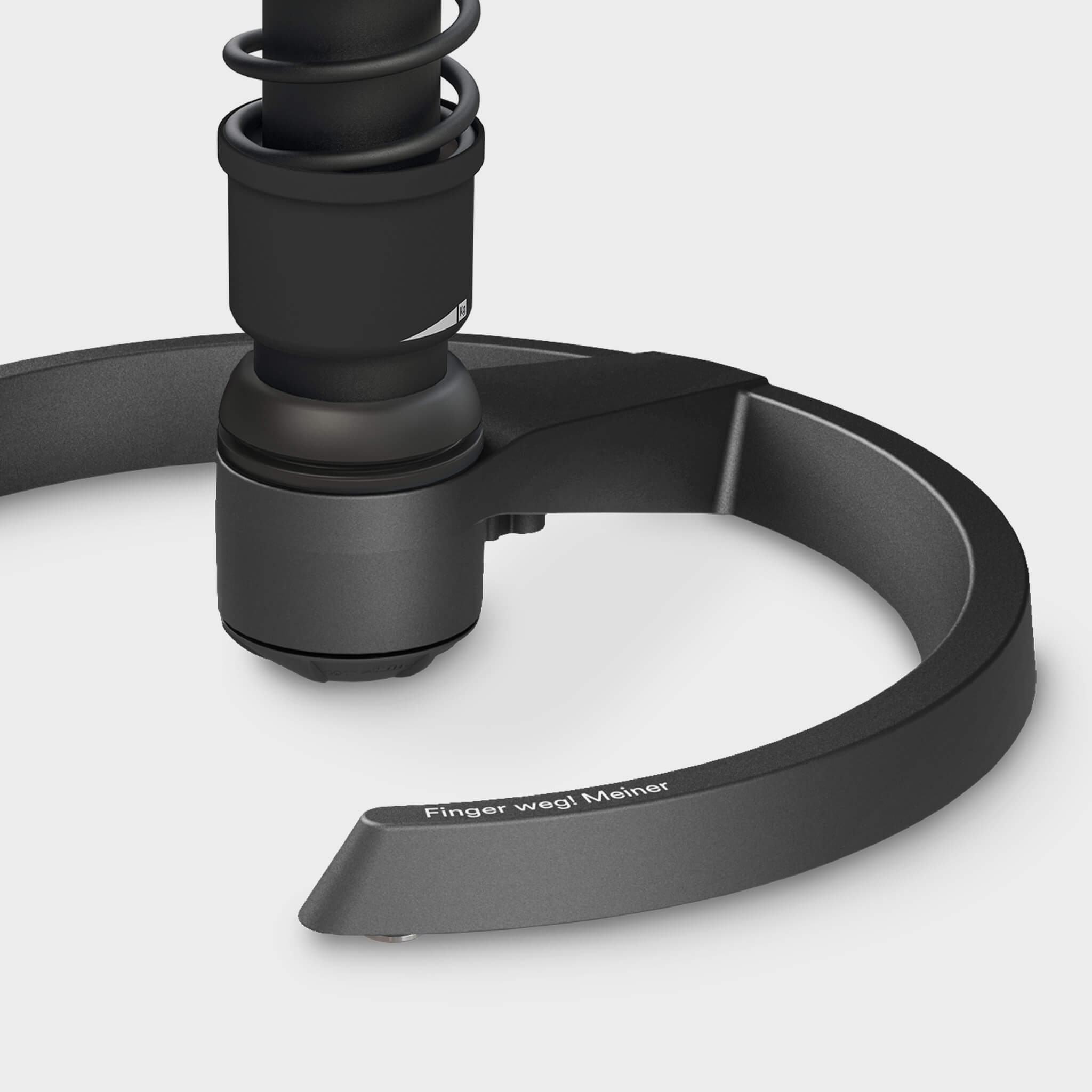
 Der Aeris Muvman fördert den gesunden Wechsel zwischen Sitzen und Stehen und unterstützt eine aktive Haltung im Arbeitsalltag.
Bewegung im Büro: So bleibst du aktiv trotz Schreibtischjob
Ein Großteil der berufstätigen Bevölkerung verbringt täglich 6–9 Stunden sitzend am Schreibtisch – oft in einer ungesunden Haltung. Die Lösung? Mehr Bewegung in den Büroalltag einbauen – ohne den Workflow zu unterbrechen.
1. Ergonomische Sitzlösungen: Aktiv statt statisch sitzen
Klassische Bürostühle fördern eine starre Haltung und führen oft zu Verspannungen. Aktives Sitzen ist die bessere Lösung. Die ergonomischen Sitzlösungen von Aeris setzen genau hier an:
✔ Aeris Swopper Bürohocker: Ermöglicht Bewegung in alle Richtungen. Stärkt die Rückenmuskulatur und fördert eine gesunde Haltung.
✔ Aeris Numo Task Bürostuhl: Flexibler Schwingeffekt sorgt für sanfte Mikrobewegungen und mehr Sitzdynamik.
✔ Aeris Muvman Stehhilfe: Perfekt für Steh-Sitz-Arbeitsplätze, für einen schnellen Wechsel zwischen Sitzen und Stehen.
Der Wechsel zwischen verschiedenen Sitzpositionen sorgt dafür, dass Muskeln aktiviert und Fehlhaltungen vermieden werden.
Du möchtest mehr zum Thema Richtiges und Dynamisches Sitzen erfahren?
Schau doch mal bei unserem Artikel: Richtig sitzen, gesünder leben: Dynamisches Sitzen erklärt vorbei.
2. Der Steh-Sitz-Dynamik-Trick
Nur Sitzen oder nur Stehen ist nicht ideal – die Mischung macht’s! Steh-Sitz-Dynamik bedeutet, dass du regelmäßig zwischen Sitzen, Stehen und leichten Bewegungen wechselst. So bringst du mehr Dynamik in deinen Büroalltag:
- Nutze einen höhenverstellbaren Schreibtisch: Alle 30–60 Minuten kurz aufstehen, kurz bewegen, dann weitermachen.
- Bleibe in Bewegung: Während du stehst, kannst du leicht wippen, das Gewicht verlagern oder kleine Bewegungen einbauen.
- Dynamisch Sitzen: Wenn du sitzt, dann aktiv! Nutze dynamische Stühle wie den Aeris Swopper oder Aeris Numo Task.
3. Meetings und Telefonate aktiv gestalten
Nicht jede Büroarbeit muss im Sitzen erledigt werden. Nutze Gelegenheiten, um Bewegung in deinen Arbeitsalltag einzubauen:
- Telefonate im Gehen führen: Statt am Schreibtisch sitzen, einfach aufstehen und umhergehen.
- Meetings im Gehen („Walking Meetings“) durchführen: Fördert Kreativität und bringt frische Energie ins Team.
- „Steh-Meetings“ einführen: Kürzer, produktiver und gesünder für alle Beteiligten.
4. Mini-Workouts und Bewegungspausen
Schon 5 Minuten Bewegung pro Stunde können einen riesigen Unterschied machen. Einige effektive Büro-Übungen:
- Beinheben im Sitzen: Hebe ein Bein für 10 Sekunden an, dann wechseln. Stärkt die Oberschenkelmuskulatur.
- Fußwippen: Fußspitzen hochziehen, dann Ferse – regt die Durchblutung an.
- Schulterkreisen: Löst Verspannungen und beugt Nackenproblemen vor.
- Rückenrotation: Im Sitzen leicht nach rechts und links drehen – mobilisiert die Wirbelsäule.
Mache es dir zur Gewohnheit, mindestens einmal pro Stunde aufzustehen und dich zu bewegen!
 Ein höhenverstellbarer Schreibtisch wie der Aeris Active Desk und ein ergonomischer Hocker wie der Aeris Swopper bringen mehr Bewegung ins Home Office.
Mehr Bewegung im Home Office – So klappt’s!
Das Home Office bietet mehr Flexibilität, aber oft weniger natürliche Bewegungsanreize als das Büro. Während im Büro Wege zur Kaffeemaschine, zum Drucker oder zu Kollegen für Bewegung sorgen, entfällt dies zu Hause oft. Stattdessen verbringen viele den ganzen Arbeitstag in derselben Position – meist am Küchentisch oder auf der Couch.
So bringst du mehr Bewegung in deinen Home-Office-Alltag:
- Arbeitsplatz-Wechsel: Nutze verschiedene Orte (Steharbeitsplatz, Sofa für kreative Aufgaben, Boden für Dehnübungen).
- Bewegungstimer: Stelle jede Stunde eine Erinnerung für eine 2-minütige Bewegungspause.
- Aktive Telefonate: Nutze Anrufe, um durch die Wohnung zu laufen oder leichte Dehnübungen zu machen.
- Routinen schaffen: Starte den Arbeitstag mit einem kurzen Spaziergang – als Ersatz für den Arbeitsweg.
- Video-Calls im Stehen oder Gehen führen.
📌 Tipp: Bewegung im Home-Office braucht bewusste Planung, weil spontane Wege fehlen. Setze dir feste Bewegungsziele, um aktiv zu bleiben!
Mehr Bewegung im Alltag – Tipps für Zuhause und unterwegs
Nicht nur im Büro, sondern auch in deinem Alltag gibt es viele Möglichkeiten, mehr Bewegung einzubauen – ganz ohne extra Sporteinheiten. Oft sind es kleine Gewohnheiten, die den Unterschied machen. Ob auf dem Weg zur Arbeit, bei Hausarbeiten oder in der Freizeit – mit diesen einfachen Tricks bleibst du aktiv:
- Arbeitsweg aktiv gestalten: Fahrrad statt Auto, eine Station früher aussteigen.
- Alltagsaufgaben mit Bewegung kombinieren: Kniebeugen beim Zähneputzen, Dehnen beim Fernsehen.
- Bewegung mit Entertainment verknüpfen: Podcasts oder Hörbücher beim Spazierenhören.
- Hausarbeit als aktive Bewegung nutzen: Staubsaugen, Wäsche aufhängen und Gartenarbeit aktiv angehen.
Bewegung macht glücklich – So bleibst du motiviert
Oft scheitert mehr Bewegung im Alltag nicht an den Möglichkeiten, sondern an der Motivation und dem inneren Schweinehund. Hier sind Tipps, um langfristig dranzubleiben:
- Mach Bewegung zum Ritual: Starte jeden Morgen mit 2 Minuten Dehnen oder einer kurzen Runde ums Haus.
- Bewegung mit Freude verbinden: Lieblingsmusik aufdrehen und dabei aktiv bleiben!
- Setze dir kleine Ziele: 10 Minuten pro Tag sind besser als nichts – und oft der Anfang für mehr!
- Tracke deine Fortschritte: Fitness-Apps oder Schrittzähler motivieren, dranzubleiben.
🎯 Extra-Motivation: Wann hast du dich zuletzt nach Bewegung richtig gut gefühlt? Genau dieses Gefühl ist dein Antrieb!
Fazit: Kleine Veränderungen, große Wirkung
Bewegung im Alltag – besonders im Büro – muss nicht kompliziert sein. Schon kleine Anpassungen machen einen großen Unterschied:
✅ Ergonomische Sitzlösungen nutzen: Aktiv sitzen mit Aeris-Produkten
✅ Steh-Sitz-Dynamik umsetzen: Regelmäßig die Position wechseln
✅ Meetings & Telefonate aktiv gestalten: Stehen, gehen, bewegen
✅ Bewegungspausen einbauen: Mini-Workouts oder kurze Spaziergänge
✅ Dranbleiben & Spaß haben: Bewegung zur täglichen Gewohnheit machen
Schon ein paar Minuten mehr Bewegung pro Tag machen einen riesigen Unterschied für deine Gesundheit und dein Wohlbefinden. Also: Wann startest du?