Flexibles Arbeiten: Das moderne Home Office
Das Home Office hat sich in den letzten Jahren als flexible Arbeitsform etabliert. Es ermöglicht Arbeitnehmern, Aufgaben von zuhause aus zu erledigen, was besonders für Familien von Vorteil ist. Doch um erfolgreich von zuhause zu arbeiten, sind klare Regeln, die richtige Ausstattung und eine gesunde Work-Life-Balance entscheidend.
Was ist ein Home Office?
Ein Home Office, früher als Heimarbeit bekannt, bezeichnet die Möglichkeit, von zuhause aus zu arbeiten. Diese Arbeitsweise kann je nach Beruf und Arbeitgeber unterschiedlich gestaltet sein. Während in der Vergangenheit Heimarbeit oft handwerkliche Tätigkeiten wie Stricken und Nähen umfasste, hat sich das Konzept heute erweitert und umfasst auch Büroarbeiten, die normalerweise im Unternehmensbüro erledigt würden.
Entwicklung des Home Office
In den letzten Jahrzehnten hat sich das Home Office zu einer praktikablen Option für viele Berufe entwickelt. Vor 50 Jahren war es undenkbar, dass ein Büroangestellter seine Arbeit nach Hause verlegt. Heute jedoch bieten zahlreiche Arbeitgeber ihren Mitarbeitern die Möglichkeit, Aufgaben von zuhause aus zu erledigen, was insbesondere Familien mit arbeitenden Eltern zugutekommt.
Wie funktioniert das Home Office?
Ein erfolgreiches Home Office erfordert klare arbeitsrechtliche Regelungen und Abstimmungen zwischen Arbeitgeber und Arbeitnehmer. Es gibt verschiedene Faktoren, die berücksichtigt werden müssen, um die Produktivität und Zufriedenheit beider Parteien zu gewährleisten.
Rechtliche Rahmenbedingungen und gesetzliche Regelungen
In Deutschland gibt es keine allgemeine gesetzliche Verpflichtung für Arbeitgeber, Home Office anzubieten. Dennoch sind wichtige gesetzliche Rahmenbedingungen zu beachten. Das Arbeitszeitgesetz (ArbZG) schreibt vor, dass Arbeitszeiten auch im Home Office dokumentiert und die gesetzlichen Ruhezeiten eingehalten werden müssen. Das Arbeitsschutzgesetz (ArbSchG) verpflichtet Arbeitgeber, die Sicherheit und Gesundheit der Arbeitnehmer auch im Home Office zu gewährleisten.
Seit Juni 2021 stärkt das Betriebsrätemodernisierungsgesetz die Rechte des Betriebsrats beim mobilen Arbeiten. Es regelt Mitbestimmungsrechte und fordert die Einhaltung von Datenschutzstandards. Zusätzlich plant die Bundesregierung, das Recht auf Home Office weiter zu stärken und gesetzlich zu verankern.
Diese Regelungen stellen sicher, dass Arbeitnehmer im Home Office denselben Schutz und dieselben Rechte wie im Büro haben. Arbeitgeber müssen klare Vereinbarungen treffen, um Missverständnisse zu vermeiden und die gesetzlichen Anforderungen zu erfüllen.
Arbeitsvertrag und Versicherungsfragen
Zu Beginn sollte der Arbeitsvertrag überprüft werden, um Haftungsfragen im Versicherungsfall zu klären. Unfälle während der Arbeitszeit müssen klar definiert sein. Außerdem muss der Arbeitgeber die Erwartungen an Erreichbarkeit, Arbeitsqualität und -quantität, Flexibilität, Aufgabenbereiche, Deadlines und Teamwork deutlich kommunizieren.
Technische Ausstattung und Datenschutz
Ein erfolgreiches Home Office steht und fällt mit der technischen Ausstattung. Der Heimarbeitsplatz muss durch Internet und Telefon mit dem Unternehmen verbunden sein. Datenschutz spielt hierbei eine zentrale Rolle, damit vertrauliche Dokumente sicher bearbeitet werden können. Einheitliche Hardware und Software, die oft vom Arbeitgeber bereitgestellt werden, stellen sicher, dass das Home Office ebenso leistungsfähig ist wie ein normales Büro.
Arbeitszeit und Freizeit
Ein weiterer wesentlicher Punkt ist die Trennung von Arbeitszeit und Freizeit. Home Office bedeutet nicht, rund um die Uhr verfügbar zu sein. Der Arbeitgeber muss gewährleisten, dass Freizeit respektiert wird, und der Arbeitnehmer sollte darauf bestehen und achten.
Wer bezahlt das Home Office?
Die Kosten für das Home Office werden in der Regel zwischen Arbeitgeber und Arbeitnehmer aufgeteilt. Während der Arbeitgeber oft Computer und Telefon bereitstellt, ist die Anschaffung von Büromöbeln meist Aufgabe des Arbeitnehmers. Investitionen in ergonomische Möbel und Geräte können sich jedoch lohnen und sind teilweise steuerlich absetzbar.
Investitionen in das Home Office für die Gesundheit
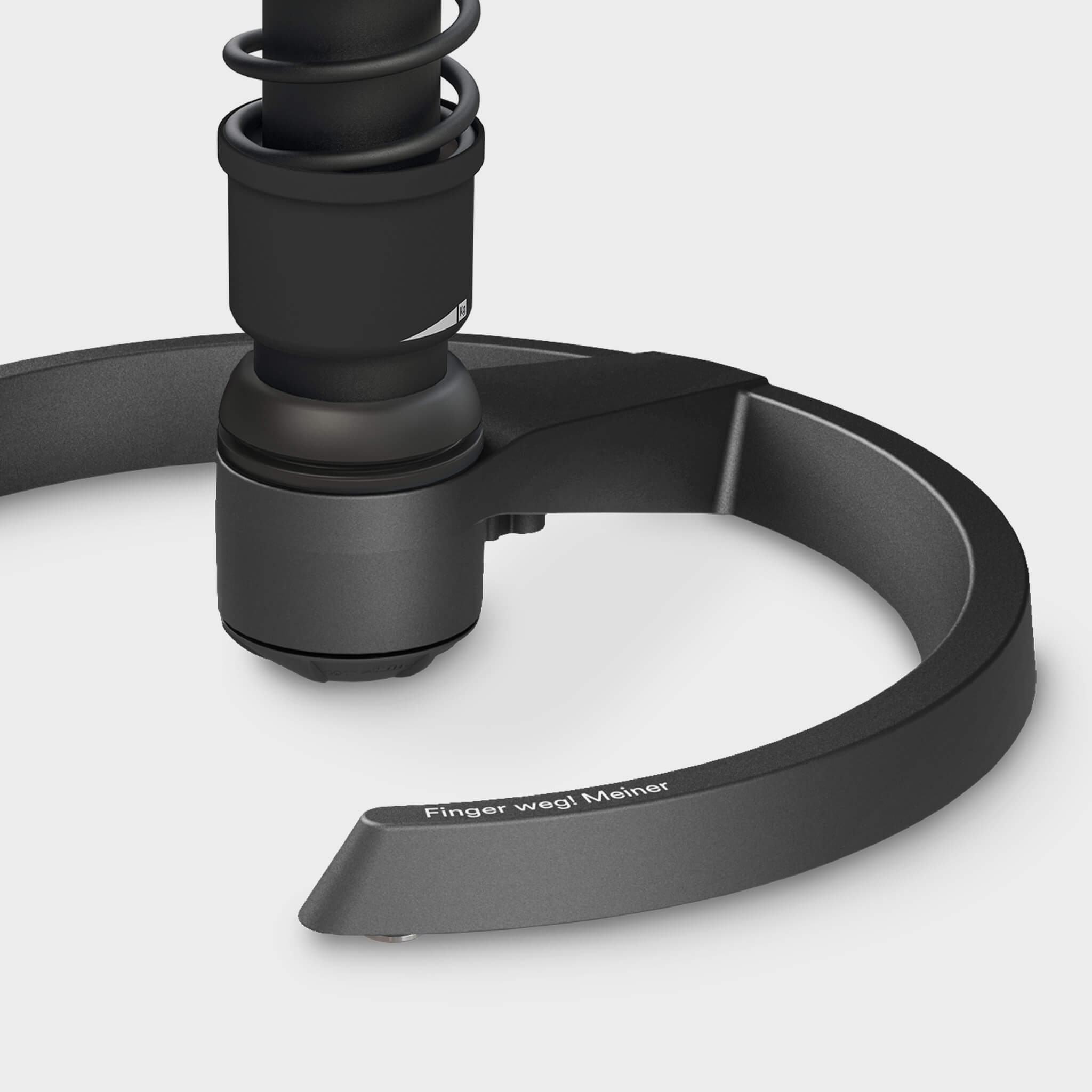
In vielen Fällen lohnt es sich für den Arbeitnehmer, ein bisschen Geld in die Hand zu nehmen und zu investieren. So sollte darauf geachtet werden, dass das Home Office mit einigen „Bewegungsverführern“ auswartet, zum Beispiel einem Aeris Active Office, dass aus Büros Bewegungsräume macht und Aktiv-Sitzmöbeln wie dem Swopper von Aeris, der ein starres und damit ungesundes Sitzen unmöglich macht. Darüber hinaus lassen sich bestimmte Investitionen – und dazu gehört auch der ergonomische Bürostuhl – von der Steuer absetzen.