Für Menschen mit ADHS stellt der Büroalltag oft eine besondere Herausforderung dar: Gerade in Großraumbüros können die vielen Geräusche und visuellen Eindrücke schnell zur Reizüberflutung werden. Zudem wird der ausgeprägte Bewegungsdrang bei ADHS-Betroffenen durch langes und starres Sitzen am Schreibtisch stark eingeschränkt, was sich wiederum negativ auf die Konzentrationsfähigkeit auswirken kann.
Bewegung kann hier zum entscheidenden Schlüssel werden. Nicht als Ablenkung, sondern als Unterstützung, die innere und körperliche Unruhe zu besänftigen und fokussierter zu arbeiten.
Bedeutung und Symptome von ADHS
Bei ADHS spricht man von einer Aufmerksamkeitsdefizit-/ Hyperaktivitätsstörung. Das ist eine neurobiologische Störung, die sich symptomatisch durch eine Konzentrations- und Aufmerksamkeitsschwäche, Impulsivität sowie durch körperliche Unruhe und Hyperaktivität äußern kann.
ADHS zeigt sich typischerweise in drei Bereichen:
-
Unaufmerksamkeit:
ADHS-Betroffene lassen sich oft leichter ablenken und verlieren schneller den roten Faden. Organisation und Zeitmanagement fallen oft schwerer als Menschen ohne ADHS. -
Hyperaktivität:
Bei ADHS ist der Bewegungsdrang oft stark ausgeprägt. Gerade bei Tätigkeiten, die langes, ruhiges Sitzen erfordern, spüren Betroffene häufig eine beklemmende innere Unruhe. -
Impulsivität:
Ein weiteres Symptom bei ADHS ist Impulsivität, die sich durch vorschnelles Handeln oder Antworten, Unterbrechen, geringe Geduld und teils starker emotionaler Reaktionen äußern kann.
Zusätzlich erleben viele Betroffene auch eine ausgeprägte Stressanfälligkeit, Schlafprobleme oder sogenannte Hyperfokus-Phasen.
💡 Was sind Hyperfokus-Phasen?
Hyperfokus-Phasen sind Zustände sehr intensiver Konzentration, in denen man völlig in einer Aufgabe aufgeht und äußere Reize und Zeit kaum wahrnimmt. Gerade bei ADHS treten sie häufig auf, weil Aufmerksamkeit weniger gleichmäßig gesteuert wird. Aufgaben, die stark interessieren oder unmittelbar motivieren, aktivieren das Belohnungssystem besonders stark. Die Konzentration bleibt dann außergewöhnlich lange und stabil gebündelt.
Hyperfokus ist damit die Kehrseite der sonst sehr ausgeprägten Ablenkbarkeit bei ADHS. Im Arbeitsalltag kann Hyperfokus sowohl Chance als auch als Herausforderung angesehen werden: Er ermöglicht außergewöhnliche Produktivität und kreative Leistungen, kann aber auch dazu führen, dass Pausen vergessen, Prioritäten ausgeblendet oder andere Aufgaben vernachlässigt werden.
Bei ADHS ist die Aufmerksamkeitsfähigkeit also nicht "kaputt", sondern nur etwas anders reguliert als bei den meisten Menschen:
- Sschwer steuerbar durch Willenskraft
- stark abhängig von Interesse, Bewegung und emotionaler Relevanz
- sehr reaktiv auf Reize aus der Umgebung
Deshalb helfen bei ADHS Komponenten wie Bewegung, Struktur, klare Reize und ergonomische Arbeitsumgebungen, weil sie genau diese Hirnnetzwerke unterstützen und stabilisieren.
Warum Bürostrukturen mit ADHS besonders herausfordernd sind
Für viele Erwachsene mit ADHS ist der Büroalltag ein Kraftakt, der weit mehr verlangt als reine Konzentration. Die typische Symptomatik von ADHS wirkt sich im Arbeitskontext besonders deutlich aus:
Geräusche wie Gespräche der Kollegen, das Klicken der Tastatur oder das Schieben eines Bürostuhls werden oft ungefiltert wahrgenommen und können sofortige Unterbrechungen im Denkprozess verursachen. Diese Reizoffenheit führt dazu, dass Betroffene in einer Umgebung voller visueller und akustischer Reize immer wieder aus dem Fokus gerissen werden, was konzentriertes Arbeiten deutlich erschwert.
 Ohne bewegungsfreundliche Büromöbel verstärken sich bei ADHS innere Unruhe und Reizüberflutung – Konzentration fällt schwerer, Erschöpfung und Stress nehmen zu.
Diese ohnehin vorhandenen Herausforderungen werden durch herkömmliche Büroumgebungen oftmals ungewollt verstärkt. Klassische Bürostühle zwingen den Körper in eine starre Haltung, die den natürlichen Bewegungsdrang hemmt und die innere Unruhe sowie Konzentrationsprobleme weiter fördern.
💡 Laut dem Infoportal der Universität zu Köln leben etwa 4,7 % der Erwachsenen in Deutschland mit ADHS, was rund vier Millionen Menschen entspricht. Ein signifikanter Anteil der Erwerbstätigen kämpft also täglich mit Arbeitsbedingungen, die ihrem neurologischen Profil nicht entsprechen und die ihre Leistungsfähigkeit eher bremsen als fördern.
Wie Bewegung den Alltag von ADHS-Betroffenen erleichtert
Bei ADHS hilft Bewegung, da sie Konzentration, innere Ruhe und Selbstregulation fördert. Kleine Bewegungsimpulse, sogenannte Mikrobewegungen, reichen dabei oft schon aus, damit ADHS-Betroffene zur Ruhe kommen können.
Im Folgenden sind die zentralen Vorteile zusammengefasst:
1. Emotionales Wohlbefinden und Stressabbau
Bewegung erhöht nachweislich die Ausschüttung von Dopamin, Serotonin und Noradrenalin – jene Neurotransmitter, die bei ADHS typischerweise in geringerer Aktivität vorkommen. Diese Botenstoffe sind entscheidend für Motivation, Stimmung und Aufmerksamkeit. Die Aktivierung des dopaminergen Systems führt demnach zu weniger Stress, weniger Überreizung und weniger Frustration. ADHS geht oft mit emotionaler Dysregulation einher, wobei Bewegungsimpulse helfen können, diese wieder ins Gleichgewicht zu bringen.
2. Mehr Konzentration
Bereits kleine Bewegungseinheiten regen den Kreislauf und die Durchblutung an und versorgen das Gehirn mit mehr Sauerstoff. Das führt dazu, dass wir uns wacher und fitter fühlen und erleichtert es, auch anspruchsvolle Aufgaben über längere Zeit konzentriert bearbeiten zu können.
💡 💡Erfahre hier noch ausführlicher, welchen Einfluss Bewegung auf unsere Konzentrationsfähigkeit hat.
3. Reduktion von Hyperaktivität und innerer Unruhe
Mit der Möglichkeit zu sanften Mikrobewegungen reduziert sich der innere Druck, sich „bewegen zu müssen“. Der Körper bekommt, was er braucht, und der Kopf wird frei für die eigentliche Aufgabe. Ein Zustand, den viele ADHS-Betroffene im klassischen Bürostuhl kaum erreichen.
4. Verbesserte Körperwahrnehmung und bessere Selbstregulation
Bewegungssensible Möbel wie der Aeris Swopper aktivieren fortlaufend das propriozeptive System - also die Fähigkeit des Körpers, die eigene Position im Raum wahrzunehmen.
 Ergonomische Bürostühle helfen ADHS Betroffenen demnach ihren Bewegungsdrang zu stillen und damit bei der Arbeit fokussiert und konzentriert bleiben zu können.
Für ADHS-Betroffene ist diese sensorische Rückmeldung besonders wichtig:
- Sie stärkt die innere Orientierung
- Sie wirkt regulierend auf Aufmerksamkeit und Emotionen
- Sie verbessert die Koordination und Körperkontrolle
Viele Betroffene berichten, dass sie sich dadurch „mehr im eigenen Körper“ fühlen und weniger von ihrer Umwelt überwältigt werden.
Positive Rezensionen: Das sagt ADHS-Betroffene Lisa Vogel
Content Creatorin, SPIEGEL-Bestseller-Autorin und Podcasterin Lisa Vogel bestätigt den positiven Effekt aus eigener Erfahrung:
"Der Aeris Swopper ist für mich der perfekte Stuhl zum Arbeiten. Mit ADHS brauche ich oft Bewegung, um mich beim Arbeiten konzentrieren zu können und der Swopper unterstützt Bewegung, anstatt sie einzuschränken.“
Sitzen in Bewegung: Warum Ergonomie bei ADHS den Unterschied macht
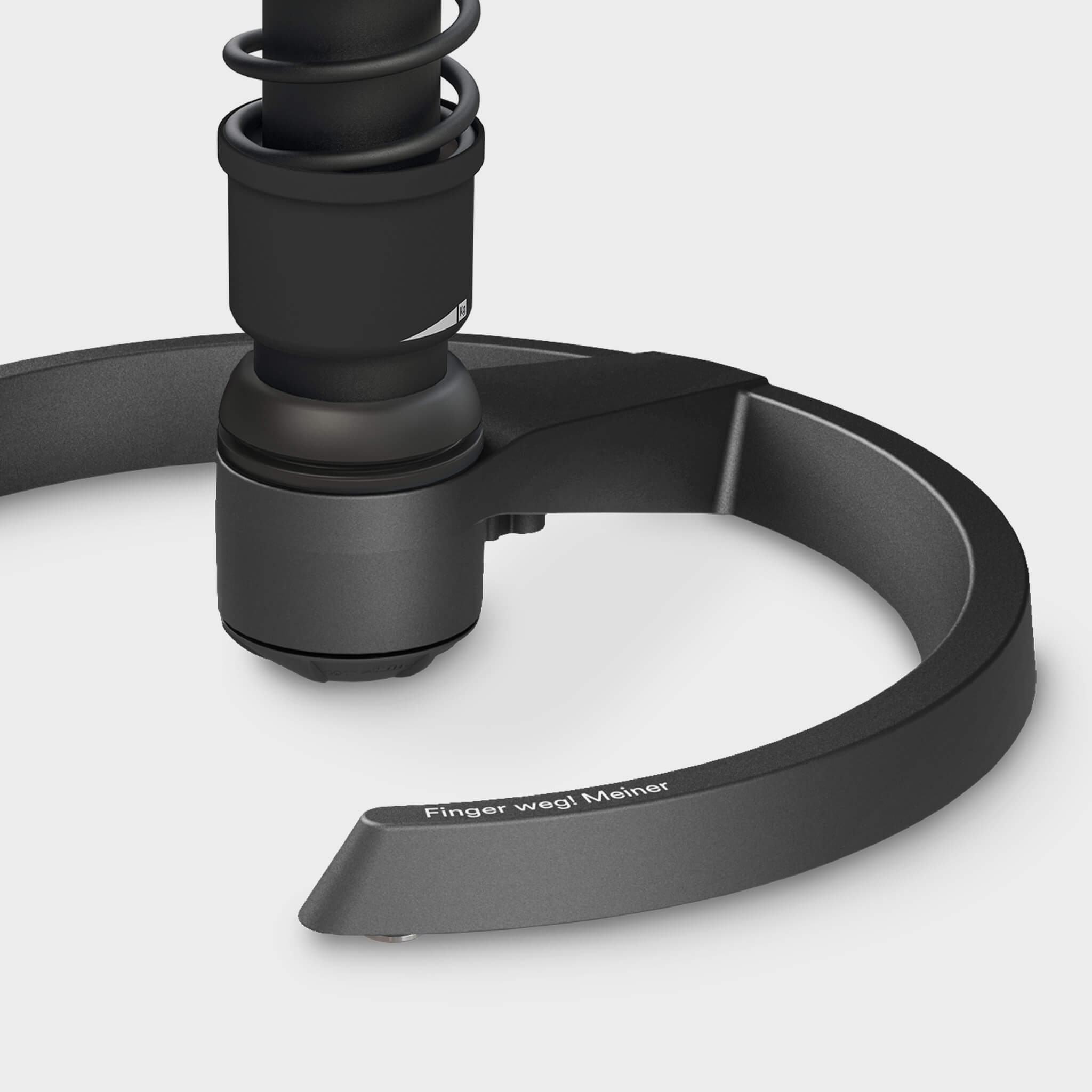
 Der Aeris Swopper ermöglicht volle Bewegungsfreiheit in alle drei Dimensionen.
Die Aeris Philosophie basiert auf dem Prinzip, dass der menschliche Körper nicht für langes, starres Sitzen gemacht ist. Statt den Bewegungsdrang zu unterdrücken, ermöglichen ergonomische Aeris Büromöbel aktives Sitzen – also natürliche, dauerhafte Mikrobewegungen. Wissenschaftliche Erkenntnisse belegen seit Jahren, dass körperliche Aktivität die Aufmerksamkeit verbessert, Stress reduziert und das dopaminerge System stimuliert - genau das zentralee Element, das bei ADHS meist weniger aktiv arbeitet.
Aktives Sitzen erklärt am Aeris Swopper
Aktives Sitzen auf dem Aeris Swopper wirkt sich aus vielerlei Hinsicht positiv auf die Symptome von ADHS-Betroffenen aus:
- 3D-Bewegung in alle Richtungen
- Zentrale Feder für rhythmisches, natürliches Auf-und-Ab
- Bewegungen, die das Gehen und Stehen simulieren
- Steigert die Sauerstoffversorgung des Gehirns
- Bringt den Kreislauf in Schwung
- reduziert innere Unruhe und hilft länger fokussiert zu bleiben
Das können Arbeitnehmer für Mitarbeitende mit ADHS tun
Gerade auch als Arbeitgeber ist es deshalb ratsam, Mitareitenden bewegungsfördernde Büromöbel bereitzustellen, da sie ein einfaches, aber wirkungsvolles Mittel sind, um die Leistungsfähigkeit und das Wohlbefinden im Team zu stärken. Gerade Mitarbeitende mit ADHS profitieren davon, wenn Bewegung nicht als „Störung“ wahrgenommen wird, sondern als natürlicher Bestandteil produktiven Arbeitens möglich ist – das kann Konzentrationsphasen verlängern, Stress reduzieren und den Arbeitsalltag insgesamt stabiler machen.
💡 Gleichzeitig sendet ein solches Arbeitsumfeld ein wichtiges Signal: Das Unternehmen nimmt unterschiedliche Bedürfnisse ernst, fördert Inklusion und schafft Rahmenbedingungen, in denen Potenziale besser genutzt werden können – ein Vorteil, der sich langfristig auch in Motivation, Bindung und Produktivität widerspiegelt.
Fazit
Bewegung kann für ADHS-Betroffene im Büro ein entscheidender Faktor sein. Sie hilft dabei, innere Unruhe auszugleichen und konzentrierter durch den Arbeitsalltag zu kommen. Bewegungsfördernde Bürostühle wie von Aeris unterstützen diesen Effekt, indem sie Aktivität ganz selbstverständlich in das Sitzen integrieren.
Aktives Sitzen steigert das Wohlbefinden, hält wacher und macht Büroarbeit langfristig gesünder. In Zukunft wird es daher immer wichtiger, Arbeitsplätze zu schaffen, die Bewegung ermöglichen und den Menschen in den Mittelpunkt stellen.