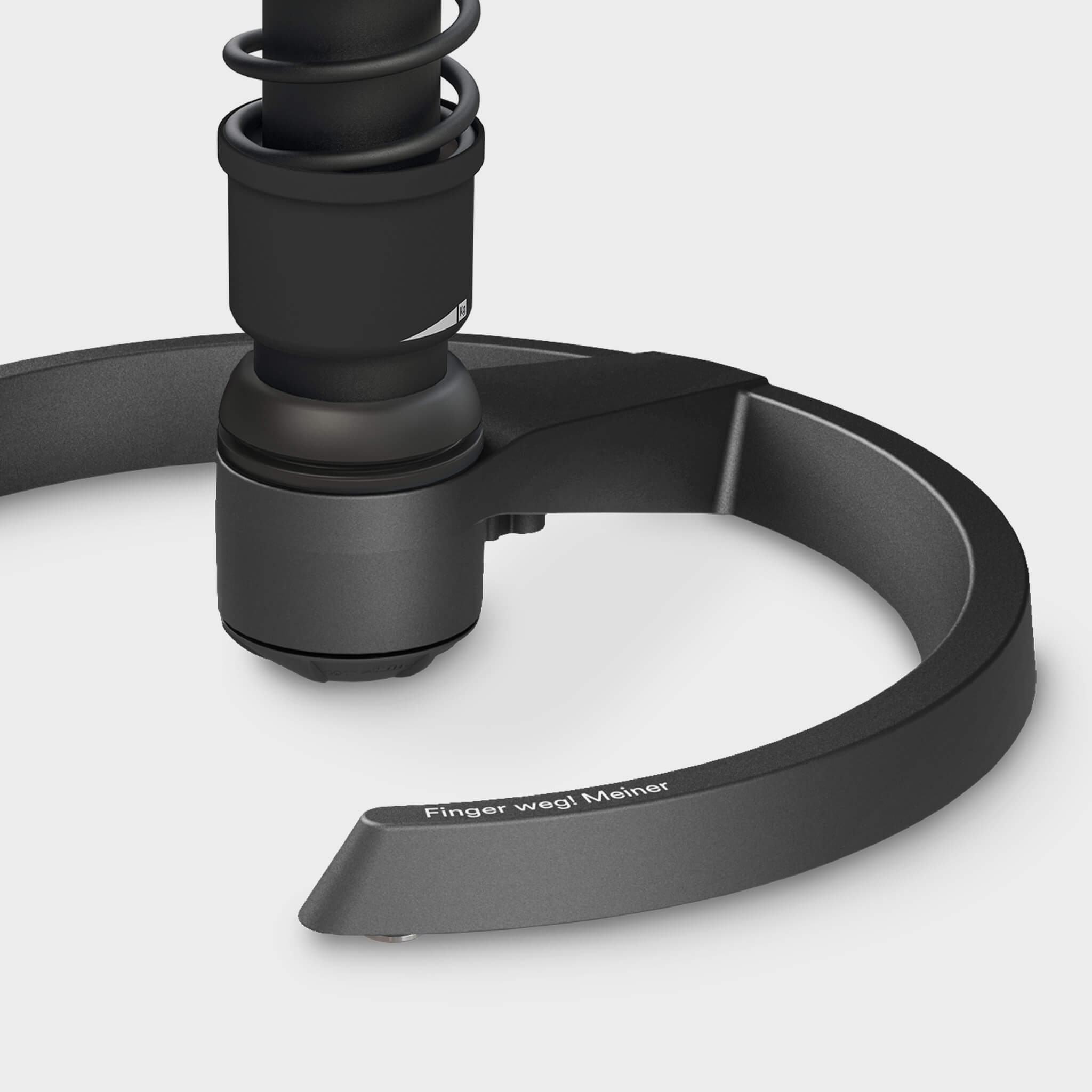
Wenn Du aus gesundheitlichen Gründen - beispielsweise wegen eines Bandscheibenvorfalls - einen ergonomischen Bürostuhl (wie zum Beispiel den Aeris Swopper oder Aeris Numo Task) oder einen höhenverstellbaren Schreibtisch benötigst, gibt es verschiedene Wege, um finanzielle Unterstützung zu erhalte.
Du kannst dich direkt an deinen Arbeitgeber wenden, einen Antrag auf Bezuschussung bei deiner Krankenkasse oder bei der Rentenversicherung stellen oder den Stuhl oder Tisch selber kaufen (nach Absprache mit dem Arbeitgeber).
Muss mir mein Arbeitgeber einen ergonomischen Bürostuhl oder höhenverstellbaren Schreibtisch kaufen?
Laut Arbeitsschutzgesetz ist der Arbeitgeber für die Gesundheit und Sicherheit seiner Mitarbeiter am Arbeitsplatz verantwortlich. Das Gesetz fordert Arbeitgeber also indirekt dazu auf, ergonomische Erkenntnisse zur Arbeitsplatzgestaltung zu beachten.
Konkreter wird es in der Arbeitsstättenverordnung (ArbStättV).
So steht in § 3 Absatz 1 ArbStättV:
„Beim Einrichten und Betreiben der Arbeitsstätten hat der Arbeitgeber die Maßnahmen nach § 3 Absatz 1 durchzuführen und dabei den Stand der Technik, Arbeitsmedizin und Hygiene, die ergonomischen Anforderungen sowie insbesondere die vom Bundesministerium für Arbeit und Soziales nach § 7 Absatz 4 bekannt gemachten Regeln und Erkenntnisse zu berücksichtigen.“
Die Erfahrung zeigt, dass viele Arbeitgeber im Rahmen ihrer Verantwortung für die Gesundheit ihrer Mitarbeiter und durch die wachsende Bedeutung von aktivem Gesundheitsmanagement in den Betrieben bereit sind, in die Ergonomie am Arbeitsplatz zu investieren.
Denn sie wissen, das steigert die Leistungsfähigkeit und Motivation ihrer Mitarbeiter und senkt den Krankenstand und die damit zusammenhängenden Kosten.
Daher reicht oftmals ein offenes Gespräch mit dem Vorgesetzten aus, um diesen z. B. auf ein bestehendes Rückenproblem aufmerksam zu machen und zu bitten, geeignetes Mobiliar zu erwerben und aufzustellen.
Hier einige Zahlen, die überzeugen dürften:
Deutsche Arbeitnehmer haben 2022 im Schnitt 19 Tage krank gefehlt. Jeder Krankheitstag kostet den Arbeitgeber im Schnitt zwischen 400-500 Euro. Krankheiten des Muskel-Skelett-Systems machten 13,7 Prozent an den Gesamtfehlzeiten aus und belegten damit den dritten Rang der Krankheitsgruppen hinsichtlich der Fehlzeiten (nach Krankheiten des Atmungssystem und psychischen Störungen).
Quelle: Gesundheitsreport der TK 2023
Lehnt dein Arbeitgeber es jedoch ab, einen ergonomischen Bürostuhl oder Tisch zu kaufen, kannst du bei verschiedenen Funktionären oder zuständigen Organisationen Hilfe suchen. Dazu zählen Betriebsräte, Betriebsärzte, Sicherheitsingenieure und Fachkräfte für Arbeitssicherheit.
Bringt auch das nichts, sind andere Kostenträger gefragt.
 Der Aeris Numo Task macht viel Bewegung möglich und kann somit Rückenschmerzen vorbeugen.
Bei welchen Kostenträgern kann ich einen Zuschuss für einen ergonomischen Bürostuhl beantragen?
Die zweite Möglichkeit besteht also darin, einen Antrag auf Bezuschussung bei einem Kostenträger zu stellen.
Unter ganz bestimmten Voraussetzungen übernehmen oder bezuschussen diese, die Kosten für die Anschaffung eines ergonomischen Bürostuhls oder höhenverstellbaren Schreibtisches für den Arbeitsplatz:
-
Deutsche Rentenversicherung
(bei Nachweis von 15 Jahren versicherungspflichtiger Beschäftigung oder wenn der Bürostuhl als medizinische Leistung zur Rehabilitation notwendig ist) -
Bundesagentur für Arbeit
(bei weniger als 15 Jahren versicherungspflichtiger Beschäftigung) -
Berufsgenossenschaften
(nach Arbeits- oder Wegeunfall) -
Integrationsamt
(für Beamte und Studenten) - Krankenkassen
Welche Schritte muss ich bei der Antragstellung beachten?
Hier findest du die wichtigsten Schritte.
Beispiel für eine Antragstellung bei der Rentenversicherung:
1. Antragsformular des Kostenträgers ausfüllen:
Hier z. B. www.deutsche-rentenversicherung.de
2. Ärztliches Attest oder Entlassungsbericht aus der Reha besorgen:
Daraus sollte hervorgehen, dass du deinen Beruf nur unter Verwendung eines entsprechenden Arbeitshilfsmittels ausüben kannst.
3. Stellen- oder Tätigkeitsbeschreibung erstellen:
Möglichst detailliert, damit der Bedarf gut nachvollziehbar ist.
4. Kostenvoranschlag bei einem qualifizierten Fachhändler einholen:
Wichtig: Den ergonomischen Bürostuhl oder Schreibtisch erst kaufen, wenn der Antrag bewilligt wurde! Andernfalls erlischt der Anspruch.
5. Arbeitgeber informieren:
Du solltest auch vor Antragstellung abklären, ob dein Arbeitgeber den Stuhl oder Tisch an deinem Arbeitsplatz befürwortet.
Denn: Der Arbeitgeber entscheidet, welche Arbeitsmittel in seinem Betrieb verwendet werden. In manchen Unternehmen muss auch erst der Betriebsarzt oder ein Ergonomie-Beauftragter seine Zustimmung erteilen.
6. Einreichen des Antrages:
Wenn das abgeklärt ist, einfach alle Unterlagen einreichen und dann auf Antwort warten. Jetzt ist Geduld gefragt, denn die Antwort kann einige Monate auf sich warten lassen.
Tipp: Das sollte im Attest des Facharztes stehen:
Der behandelnde Arzt muss in einem medizinischen Gutachten bescheinigen, dass die Anschaffung eines ergonomischen Bürostuhls „unabdingbar und zwingend notwendig“ ist, um die „berufliche Arbeitsfähigkeit und Gesundheit aufrecht zu erhalten“ oder um eine „erfolgreiche Rehabilitation ins Arbeitsleben zu ermöglichen“, falls eine Rehamaßnahme absolviert wurde. Wenn du an einer Reha teilgenommen hast, sollten die Angaben in dem Entlassungsbericht enthalten sein.
Darüber hinaus muss das Attest eine möglichst detaillierte Beschreibung der Funktionen des Stuhls enthalten, wie zum Beispiel: Der Bürostuhl muss „nach allen Seiten frei beweglich sein, um das aktiv-dynamische Sitzen zu fördern“. Der Bürostuhl soll sich den „Bewegungen des Körpers anpassen“ etc.
Je genauer die Angaben, desto übersichtlicher und nachvollziehbarer ist der Antrag für den Sachbearbeiter.
 Zuschüsse für einen ergonomischen Bürostuhl kann man z. B. bei der Deutschen Rentenversicherung oder Krankenkasse beantragen.
Welche Kosten können von der deutschen Rentenversicherung übernommen werden?
Für einen ergonomischen Bürostuhl gewährt die deutsche Rentenversicherung einen Zuschuss von maximal 1.305 €.
Die Unterstützung zur Anschaffung eines höhenverstellbaren Schreibtisches hat die Deutsche Rentenversicherung seit 2018 offiziell eingestellt mit der Begründung, dass für die Anschaffung von höhenverstellbaren Schreibtischen vorrangig der Arbeitgeber in der Verantwortung ist.
Tipp: Die Krankenkassen sind zur Bezuschussung ergonomischer Büromöbel nicht gesetzlich verpflichtet, gelten daher als letzte Anlaufstelle. Einige Krankenkassen haben aber eine Liste mit Hilfsmitteln, die sie bezuschussen. Schau mal nach, ob darin ein ergonomischer Bürostuhl oder höhenverstellbarer Schreibtisch zu finden ist. Falls ja, stehen deine Chancen auf einen positiven Bescheid gut.
Was soll ich tun, wenn der Antrag abgelehnt wird?
Bei einer positiven Antwort kannst du den Stuhl kaufen und die Rechnung einfach beim Kostenträger einreichen, die dann die Kosten bis zum Maximalbetrag erstattet. Damit geht der Bürostuhl dann in dein Eigentum über und du kannst ihn auch bei einem Firmenwechsel mitnehmen.
Trägt der Arbeitgeber einen Teil der Kosten, musst du dich bei einem Wechsel mit ihm einigen.
Sollte der Antrag auf Förderung für einen ergonomischen Bürostuhl abgelehnt werden, hast du die Möglichkeit, innerhalb von 14 Tagen Widerspruch einzulegen.
Oftmals ist das Attest des Arztes zu ungenau. Eine „Empfehlung für einen orthopädischen Bürostuhl für den Rücken“ reicht beispielsweise nicht immer aus. Manchmal fehlen auch bestimmte Informationen, die du bei der Rentenversicherung einfach zeitnah nachreichen kannst. Bleib hartnäckig!
 Die Kosten für ergonomische Büromöbel können von der Steuer abgesetzt werden.
Was ist, wenn ich mir selber einen ergonomischen Bürostuhl kaufe?
Dann kannst du die Kosten von der Steuer absetzen.
Es gibt hierfür verschiedene Möglichkeiten:
Sofortabzug
Bürostühle bis zu einem Kaufpreis von 800 € kannst du zu 100 Prozent im Jahr der Anschaffung absetzen. Dafür gibst du einfach den gesamten Rechnungsbetrag als Werbungskosten in der Einkommensteuererklärung (Anlage N) an.
Wichtig: Der Bürostuhl darf dann ausschließlich für berufliche Zwecke genutzt werden.
Damit sich das positiv auf deine Steuererklärung auswirkt, müssen die gesamten Werbungskosten den jährlichen Pauschbetrag von 1000 Euro Werbungskosten übersteigen.
Regelabschreibung über Nutzungsdauer von 13 Jahren
Du kannst die Kosten des Bürostuhls (egal wieviel er gekostet hat) auch stets über 13 Jahre hinweg abschreiben (laut Afa-Abschreibungstabelle des Bundesfinanzministeriums).
Ab einem Kaufpreis von 1.000,01 € (für Angestellte ab 800,01 €) ist diese Abschreibungsmethode jedoch Pflicht.
Bildung von Sammelposten/ Poolabschreibung
Liegt der Kaufpreis des Bürostuhls zwischen 250,01 € und 1.000 €, haben Freiberufler, Selbstständige, Gewerbetreibende und Unternehmer gemäß § 6 Abs. 2a EStG auch noch die Möglichkeit zur Bildung von Sammelposten/ Poolabschreibung.
Alle Anschaffungen dieser Preisspanne werden in einem Sammelposten zusammengefasst und über 5 Jahre linear mit 20 Prozent abgeschrieben.
Diese Form der Abschreibung lohnt sich besonders für Gegenstände, deren durchschnittliche betriebsgewöhnliche Nutzungsdauer über 5 Jahren liegt, z. B. Büromöbel mit 13 Jahren.
Wenn du die Poolabschreibung wählst, werden alle Produkte aufgenommen. Eine Mischung aus Sofortabschreibung und Sammelpostenbildung im gleichen Jahr ist nicht möglich. Du kannst jedes Jahr neu entscheiden, welche Abschreibungsmethode sich mehr für dich lohnt.
Tipp: Für sämtliche Büromöbel wie Tische, Schränke, Sessel und Regale gelten die gleichen Grenzwerte und Fristen wie für Bürostühle.
Ausführliche Informationen, wie du dein Arbeitszimmer samt Schreibtischstuhl von der Steuer absetzen kannst, findest du in unserem Magazinbeitrag "Arbeitszimmer steuerlich absetzen: So geht's".
Haftungsausschluss:
Bitte beachte, dass wir keine Steuer- oder Rechtsberatung erbringen dürfen und mit dieser Information keine Steuer- oder Rechtsberatung erbracht wird. Es handelt sich lediglich um allgemeine Informationen zu den von uns angebotenen Produkten, die auf den jeweiligen Sachverhalt im Einzelfall anzupassen und aus steuer- und rechtlicher Sicht zu würdigen sind. Bitte hole eine auf deine Umstände zugeschnittene Beratung deines Steuer- bzw. Rechtsberaters ein, bevor du Entscheidungen, über die sich in Zusammenhang mit unseren Produkten ergebenden Themen, triffst. Es wird keine Haftung übernommen.