Was ist der Nucleus?
Der Begriff "Nucleus" stammt aus dem Lateinischen und bedeutet auf Deutsch "Kern". In der deutschen Sprache wird er sowohl als "Nucleus" als auch als "Nukleus" verwendet. Grundsätzlich bezeichnet der Begriff den Kern eines Objekts oder einer Gruppe. In diesem Artikel betrachten wir den Nucleus aus der Perspektive der menschlichen Anatomie.
Das zentrale Nervensystem
Unser zentrales Nervensystem (ZNS) ist nichts anderes als eine Ansammlung von Nervenzellkörpern (Somata oder Perikaryen). Wissenschaftlich wird das als Nucleus, Nukleus oder Kerngebiet bezeichnet. Auch wenn es für Laien nicht erkennbar ist, sind die Kerne in den einzelnen Gehirnarealen gut voneinander abgrenzbar. Unterschieden wird zwischen den Nuclei (das ist der Plural von Nucleus) im Endhirn, Zwischenhirn, Mittelhirn und Nachhirn, da die Zellkerne sich hier jeweils anders verhalten und gruppieren.
Was sind Nucleus pulposus und Nucleus pulposus prolaps?
Was im lateinischen Prolapsus nuclei pulposi heißt, ist den meisten Menschen geläufig als Bandscheibenvorfall. Zur Herleitung des Begriffs muss man wissen, dass eine Bandscheibe aus einem gallertartigen Kern (Nucleus pulposus) und einem Faserring (Anulus fibrosus) besteht. Die Bandscheibe – Kern mit Ring – sieht aus wie eine kleine Scheibe und ist im gesunden Zustand sehr elastisch. Zwischen den Wirbeln funktioniert sie nun als Stoßdämpfer.
Verschleißt nun die Bandscheibe und verliert an Elastizität, wird der Faserring porös und brüchig. Bei zu hoher Belastung wird der weiche Gallertkern durch den Faserring hindurchgedrückt. Man spricht dann vom „Prolaps“ oder auch Bandscheibenvorfall, denn die Bandscheibe fällt im wahrsten Sinn des Wortes nach vorn.
Was ist der Unterschied zwischen Bandscheibenvorfall und Bandscheibenvorwölbung?
Bei der Bandscheibenvorwölbung oder Protrusion handelt es sich um eine Verschleißerscheinung. In diesem Fall jedoch findet kein Riss des äußeren Faserrings statt, der Faserring wird lediglich durch den weichen Kern der Bandscheibe vorgewölbt. Sowohl der Bandscheibenvorfall als auch die Bandscheibenvorwölbung äußern sich durch starke, häufig in die Extremitäten ausstrahlende Schmerzen.
Vorbeugen von Bandscheibenvorfall (nucleus pulposus prolaps) und Bandscheibenvorwölbung (nucleus pulposus protrusion)
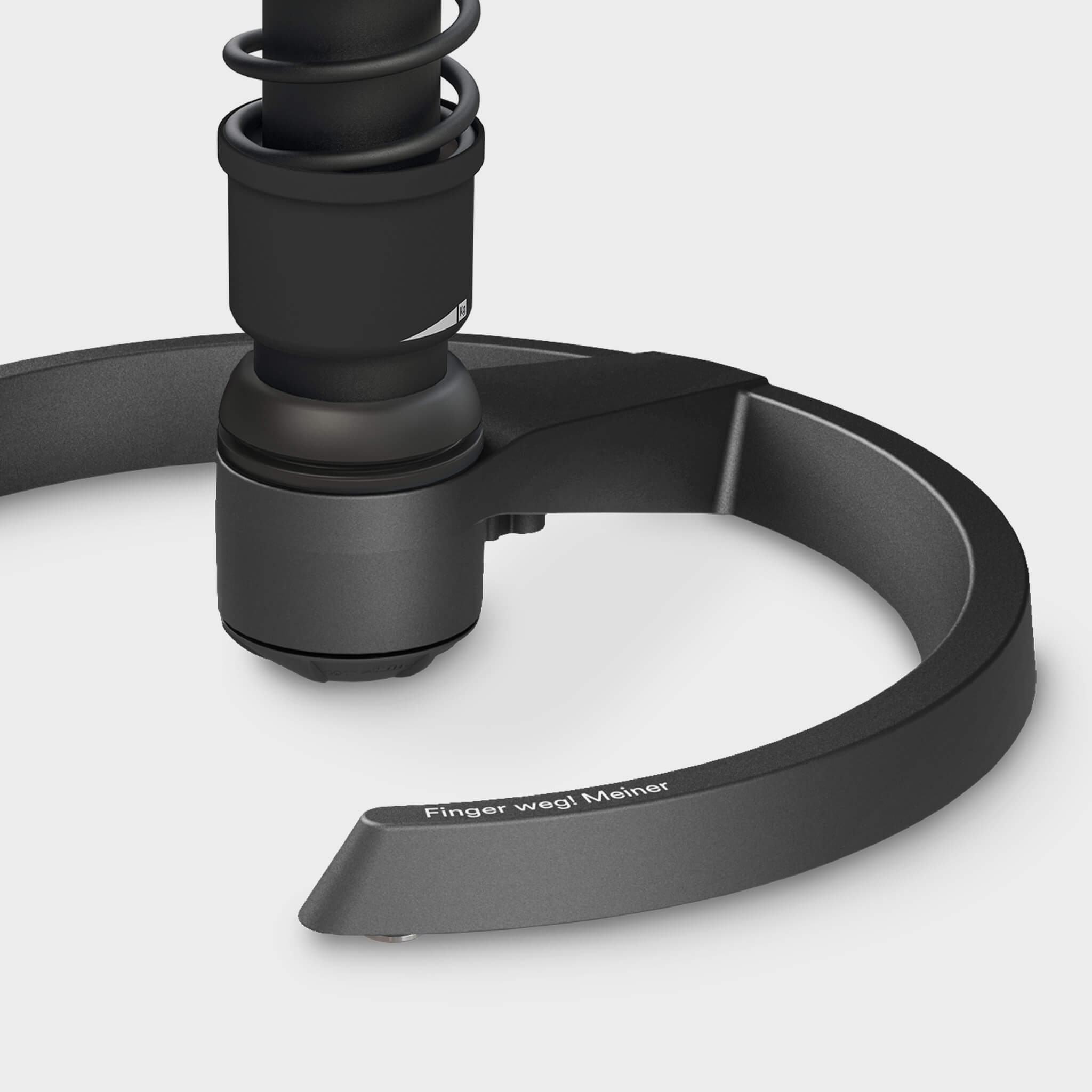
Bandscheibenvorfälle sind oft die Folge einer schlecht ausgebildeten Rücken- und Bauchmuskulatur aufgrund von Bewegungsmangel. Über 60 Prozent der Arbeitnehmer bewegen sich aus zeitlichen Gründen kaum eine Stunde am Tag. Eine sinnvolle Lösung bieten Aktiv-Stühle wie der Swopper oder der 3Dee von Aeris. Diese Sitze fördern durch ihre patentierte 3D-Technologie die natürliche Bewegung in alle Richtungen – vorwärts, rückwärts, seitlich und vertikal. Dies entlastet die Bandscheiben, unterstützt den Aufbau von Bauch- und Rückenmuskulatur und kann so Rückenbeschwerden entgegenwirken.
Ergonomische Lösungen am Arbeitsplatz und regelmäßige Bewegung sind entscheidend zur Vorbeugung von Bandscheibenproblemen. Aktiv-Sitze fördern dynamisches Sitzen und verhindern starre Körperhaltungen, die langfristig zu Problemen führen können. Zusätzlich sollte man auf regelmäßige Pausen und Übungen zur Stärkung der Rückenmuskulatur achten.