Was ist das Arbeitsschutzgesetz?
Das Arbeitsschutzgesetz setzt die europäische Rahmenrichtlinie Arbeitsschutz 89/391/EWG in deutsches Recht um. Wie der Name vermuten lässt, dient das Gesetz dazu, nahezu allen Beschäftigten im Rahmen ihrer Beschäftigung bzw. ihrer Arbeit Schutz und Gesundheit zu gewährleisten. So lautet die vollständige Bezeichnung des Gesetzes entsprechend „Gesetz über die Durchführung von Maßnahmen des Arbeitsschutzes zur Verbesserung der Sicherheit und des Gesundheitsschutzes der Beschäftigten bei der Arbeit“, kurz „ArbSchG“. Nur wenige Berufsgruppen werden von diesem Gesetz nicht geschützt, dazu gehören unter anderem Hausangestellte in Privathaushalten oder Beschäftigte auf Seeschiffen.
Wie jedes Gesetz so ist auch dieses verkündet im Bundesgesetzblatt (Teil 1), kurz BGBl. genannt.
Den Gesetzestext zum Arbeitsschutzgesetz findest du auf den Seiten des Bundesministeriums der Justiz und des Bundesamtes für Justiz: gesetze-im-internet.de
Was regelt das Arbeitsschutzgesetz?
Grob gesagt regelt das Gesetz, welche Bedingungen am Arbeitsplatz erfüllt sein müssen, damit ein Beschäftigter sicher arbeiten kann, Unfälle und arbeitsbedingte Erkrankungen verhütet und Arbeitsbedingungen nach festen Grundprinzipien gestaltet und beurteilt werden können. Das zentrale Element im betrieblichen Arbeitsschutz ist dabei die so genannte Gefährdungsbeurteilung.
Was gehört zum Arbeitsschutz?
Unter dem Arbeitsnehmerschutzgesetz wiederum gibt es eine Reihe von Arbeitsschutzverordnungen, Anordnungen sowie weitere Arbeitsschutzgesetze. Eine Arbeitsschutzverordnung ist die Arbeitsstättenverordnung. Sie regelt die grundsätzlichen Anforderungen für das Einrichten und Betreiben von Arbeitsstätten (89/654/EWG), zum Nichtraucherschutz oder zur Einrichtung von Arbeits-, Sanitär- und anderen Räumen. Die Bildschirmarbeitsverordnung (89/655/EWG) legt beispielsweise fest, was ein Bildschirmarbeitsplatz ist und wie dieser eingerichtet sein sollte und das Ziel der Lastenhandhabungsverordnung (90/269/EWG) ist die Minimierung von Gesundheitsgefahren wie Rückenerkrankungen bei der manuellen Handhabung von Lasten. Eines haben alle Verordnungen und Regelungen gemeinsam: Sie dienen dem Gesundheitsschutz der Arbeitnehmer und Mitarbeiter.
Pflichten und Rechte unter dem Arbeitsschutzrecht
Neben bestimmten Verordnungen hinsichtlich einer Arbeitsplatzeinrichtung und -ausstattung gibt es eine Reihe weiterer Pflichten für den Arbeitgeber. Dazu gehört die arbeitsmedizinische Vorsorge, Erste Hilfe- und Notfallmaßnahmen oder auch Schulungen, damit eine Tätigkeit ohne weiteres ausgeführt werden kann. Doch müssen sich auch die Arbeitnehmer an Vorschriften halten. So sind sie Mitarbeitern und Kollegen gegenüber der Sorgfalt verpflichtet und dürfen Maschinen, Geräte, Werkstoffe, etc. nur bestimmungsgemäß verwenden.
Des Weiteren regelt das Arbeitsschutzgesetz, welche Pausen einem Beschäftigten zustehen bzw. wie die Dauer festzulegen ist. Dazu gehören nicht nur die Kurzpausen, sondern auch zeitliche Abstände zwischen einzelne Schichten, die so genannten Erholungs- und Bedürfniszeiten. Urlaube werden übrigens nicht durch das Arbeitsschutzgesetz, sondern durch das Bundesurlaubsgesetz geregelt.
Was ist die Gemeinsame Deutsche Arbeitsschutzstrategie?
Bei der Gemeinsamen Deutschen Arbeitsschutzstrategie (GDA) handelt es sich um eine Initiative von Bund, Ländern und Unfallversicherern. Ins Leben gerufen wurde die GDA in erster Linie, um Anreize zu schaffen, damit das Arbeitsschutzgesetz eingehalten werden kann und um die Sicherheit und Gesundheit von Beschäftigten zu stärken. Verschiedene Programme sowie Optimierung von Beratung und Überwachung unterstützen die Arbeitgeber dabei. Darüber hinaus ist ein Ziel des Bündnisses, das deutsche Arbeitsschutzsystem auch im immer schnelleren Wandel der Arbeitswelt laufend zu modernisieren.
Was ist die gesetzliche Unfallversicherung?
Sollte nun trotz Befolgen aller im Arbeitsschutzgesetz beschriebenen Vorgaben einem Mitarbeiter im Rahmen seiner Tätigkeit etwas zustoßen, kann das ein Fall für die gesetzliche Unfallversicherung sein. Die gesetzliche Unfallversicherung (GUV) fällt unter die Sozialversicherung und hat den Zweck, Arbeitsunfällen oder Berufskrankheiten zunächst vorzubeugen. Liegt dennoch ein Arbeitsunfall oder eine Berufskrankheit vor, so übernimmt die gesetzliche Unfallversicherung medizinische oder berufsfördernde Rehabilitationsleistungen, in bestimmten Fällen Rentenzahlungen, Lohnausgleichszahlungen und ähnliches. Pflichtversichert sind in der GUV übrigens nicht nur angestellte Beschäftigte, sondern unter anderem auch Kindergartenkinder, Schüler, Studenten oder Blutspender.
Trotz Arbeitsschutzgesetz Krankheiten am Arbeitsplatz
Lange Bürozeiten, sitzen in starrer Haltung und Bewegungsmangel sind Ursachen für weit verbreitete Arbeitskrankheiten wie Rückenschmerzen und Rückenleiden, aber auch Übergewicht, Herz-Kreislauf-Probleme oder Diabetes. Hier kann ein Arbeitsschutzgesetz tatsächlich wenig ausrichten.
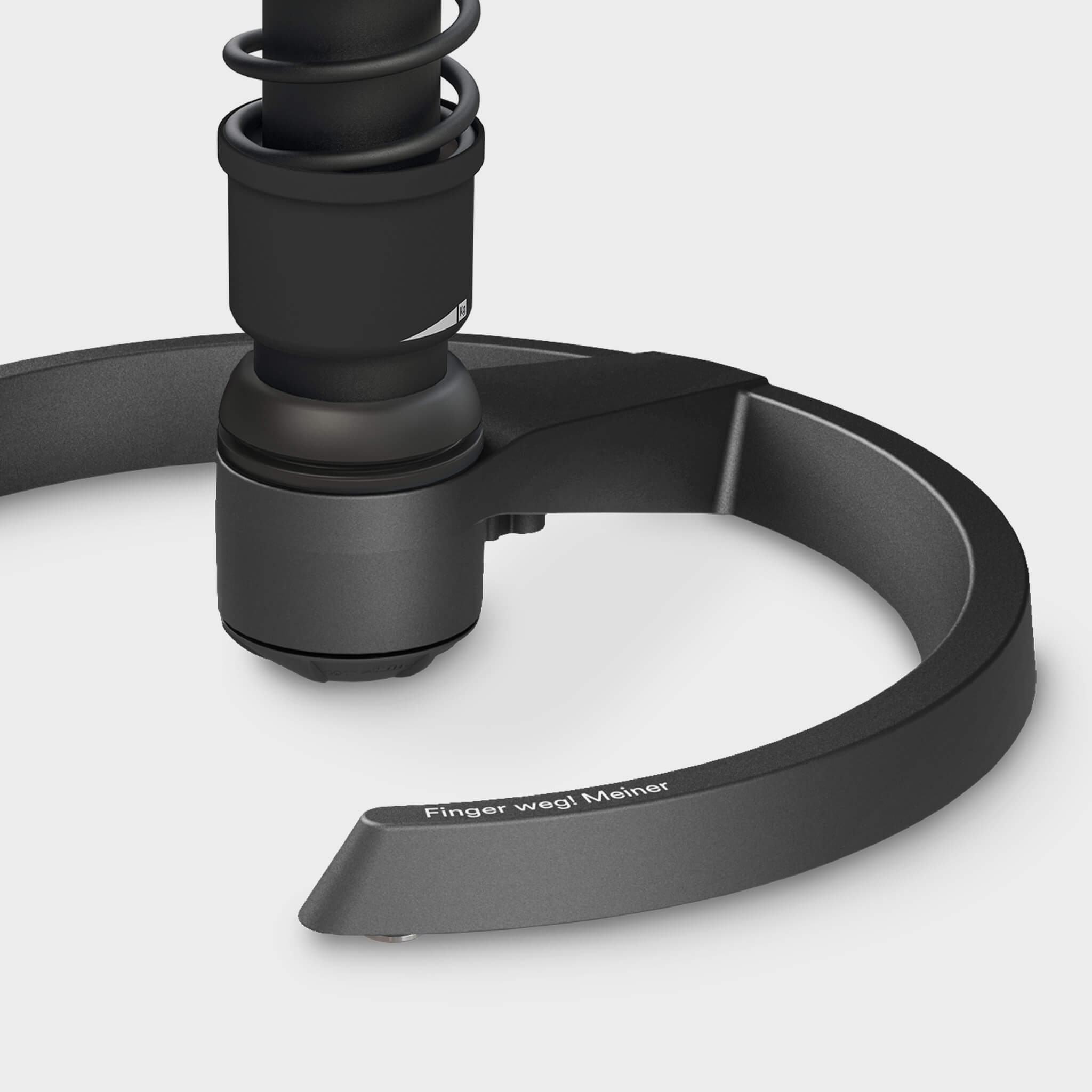
Wer diesbezüglich gefährdet ist, kann vorbeugen, indem er Bewegung in seinen Büroalltag integriert. Damit für die Bewegung am Arbeitsplatz die Arbeit nicht unterbrochen werden muss, empfiehlt sich der Einsatz von Bürostühlen, die schon im Sitzen intuitive Bewegungen ermöglichen, wie die Aktiv-Stühle Swopper und 3Dee von Aeris. Dank der patentierten 3D-Technologie wird Bewegung in allen Richtungen gefördert und einseitige Druckbelastungen der Bandscheibe entfallen. So ganz nebenbei stärkt das bewegte Sitzen sowohl die Bauch- als auch die Rückenmuskulatur. Wer also befürchtet, sein Bürostuhl oder seine Stehhilfe in der Fertigungshalle tue seinem Rücken nicht gut, sollte diesbezüglich mit dem direkten Vorgesetzten oder Arbeitgeber sprechen. Schließlich liegt es auch im Interesse eines Unternehmens, dass die Mitarbeiter nicht wegen Krankheit ausfallen und so mehr Kosten verursachen als die Investition in einen Aktiv-Bürostuhl.